
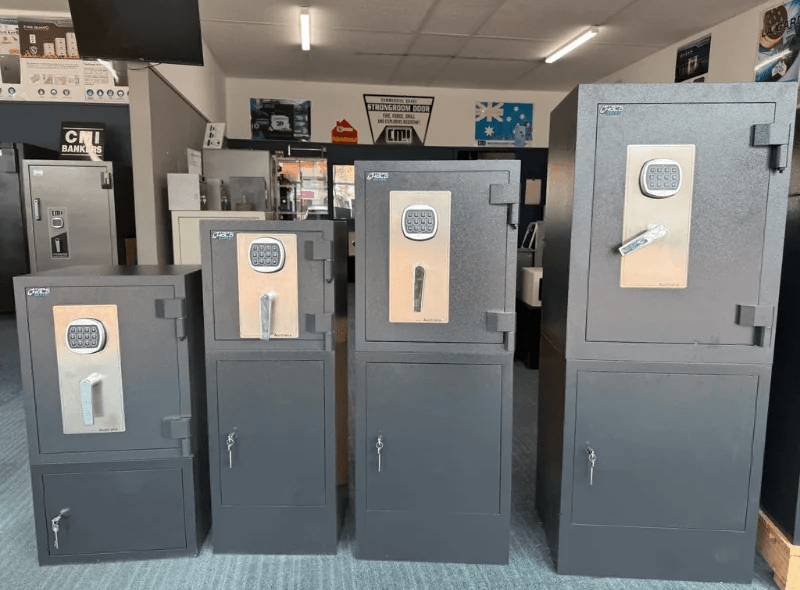
Being locked out of a home safe is more common than most people expect, and it usually happens at the worst possible time. Whether you’ve forgotten the combination after months of not using it, come home to a dead battery, or simply can’t locate the spare key, the frustration is real. The good news is that most lockout situations are straightforward to resolve when you know the right steps, and the wrong ones to avoid.
Why You Can’t Open Your Home Safe
Before you can fix the problem, it helps to understand what’s actually causing it. Most home safe lockouts fall into a handful of predictable categories.
Forgotten Combination or PIN
This is the most frequent reason people find themselves locked out. Digital keypad home safes are convenient day-to-day, but if you haven’t opened the safe in a while, it’s easy to second-guess a combination you once knew automatically. Combination dial locks present the same problem: one wrong number in the sequence and the lock won’t release. If you purchased the safe secondhand or inherited it, you may never have had the correct combination in the first place.
Dead Batteries or Electronic Lock Failure
Electronic keypad locks run on batteries, usually AA or 9V, and when they die, the safe won’t respond to any input. In most cases, replacing the batteries restores full function — some home safes even have an external battery terminal for exactly this situation. Occasionally, the fault runs deeper: a faulty keypad, internal wiring issues, or a lock that has reached the end of its service life. These are situations where a professional safe unlock service is the most reliable next step.
Lost Keys or Mechanical Lock Problems
Key-operated home safes rely on a physical key to release the lock mechanism. If the key is lost, damaged, or missing, a safe unlock technician can resolve the situation without damaging the safe or its contents. Mechanical combination locks can also develop faults over time: worn internal components, a stuck bolt, or a dial that no longer aligns correctly with the locking cams.
What to Check Before Calling for Help
A professional call-out may not be necessary. Before reaching for the phone, you may find the solution is simpler than expected.
Verify the Code, Key, and Power Source
- For electronic safes: Check whether the keypad is illuminated when you press the buttons. If there’s no response at all, low or dead batteries are almost certainly the cause. Replace them and try again. If the keypad lights up but doesn’t accept a valid code, double-check whether you may have been entering the combination incorrectly. Some home safes require you to press a specific key (such as * or #) before entering the PIN.
- For combination dial locks: Confirm you’re following the correct dialling sequence. Most three-number combinations require specific rotations: typically two full turns right to the first number, one full turn left to the second, then right directly to the third. Getting the rotation count wrong is a common mistake.
Gather Information About The Safe
Before calling a professional, note down the make, model, and serial number of your safe if you can find them usually printed on the inside of the door or in the original documentation. This information helps a technician identify the lock type, which speeds up the resolution significantly. If you have the original purchase receipt or owner’s manual, dig those out too. Some manufacturers maintain override records for registered home safes and may be able to provide a reset code or override key directly.
What Not to Do When You’re Locked Out
Being locked out of home safes is stressful, and it’s tempting to try anything that might work. The wrong actions can turn a simple lockout into a costly and permanent problem.
Don’t Force the Handle or Door
Yanking or repeatedly forcing the handle does nothing useful. Modern home safes are specifically designed to resist exactly this kind of force. What it can do is bend the handle assembly, damage internal locking bolts, or activate the safe’s anti-tamper mechanism, which may lock out the keypad entirely for a set period. You’ll have made the situation harder to resolve without making any progress towards opening the safe.
Avoid DIY Drilling or Breaking Into Home Safes
Drilling home safes looks straightforward online. In reality, they’re built with hardened steel plates and internal anti-drill barriers — an amateur attempt is far more likely to damage the contents than open the door, and risks triggering the relocker, making professional opening significantly more difficult and expensive.
Don’t Keep Guessing the Combination
Stop entering combinations at random. Many electronic safes lock out the keypad after three to five incorrect attempts, leaving you waiting 10 to 30 minutes before you can try again — and some models escalate with each failed attempt.
How a Professional Safe Unlock Service Helps
A qualified safe technician has the specialised tools and knowledge to open a wide range of home safes without destroying them through lock manipulation, electronic override, or controlled drilling where necessary.
At MSC Safe Co, our safe opening service covers home and jewellery safes of all makes and models. Once the safe is open, we can also advise on whether a safe lock upgrade such as replacing an ageing combination dial with a modern digital keypad is worth considering. Upgrading your lock is often less expensive than people expect, and it eliminates many of the most common lockout causes for good.
Don’t Guess, Get It Done Right
A home safe lockout is fixable. What matters is acting methodically and avoiding the DIY shortcuts that turn a simple problem into a damaged safe and a higher repair bill.
If you’re locked out and the basic checks haven’t helped, contact MSC Safe Co. We’ve been resolving safe lockouts across Perth and WA for over 50 years, and we’ll have you back in without the drama.