
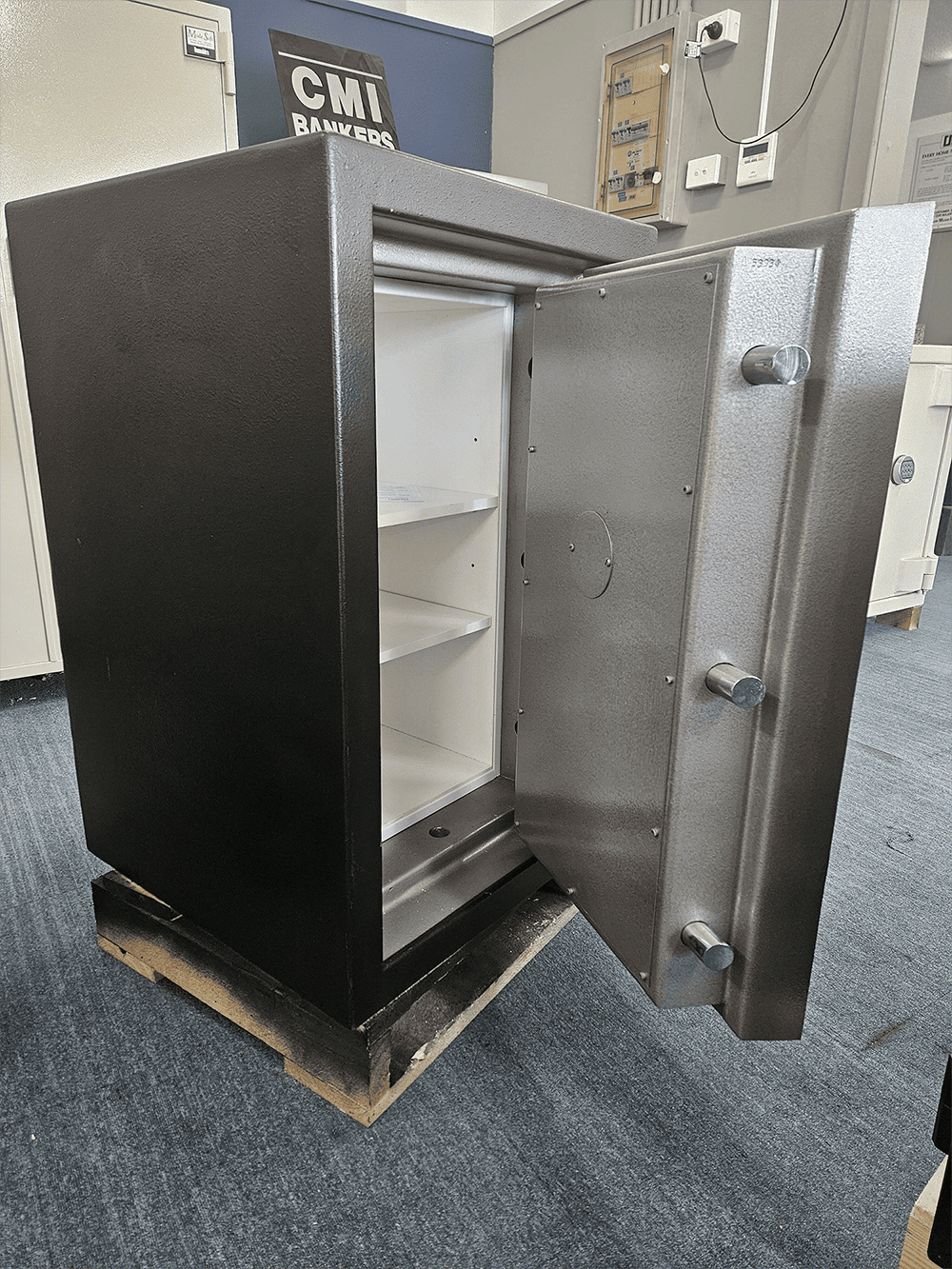
 Most safe marketing leans hard on fear, with statistics about break-ins and dramatic warnings about what could happen if you don’t act now. That’s not the conversation we want to have. After decades of installing safes in Perth homes, what we can tell you honestly is that a safe does something specific, under specific conditions, and the more clearly you understand those conditions, the more useful your investment becomes.
A home safe does not deter burglars in the way a barking dog or a visible alarm does. What it does is change what happens after they get inside, which is a different and often more important kind of protection. Understanding that distinction is the foundation of using a safe properly.
The Difference Between Deterring and Resisting a Break-In
Deterrence is what stops a burglar from entering your home in the first place. That work is done by your locks, your alarm system, your lighting, your fencing, and the visibility of your property from the street. None of those are jobs a safe performs. By the time the safe is relevant to the conversation, deterrence has already failed, and somebody is inside.
Resistance is what happens next. It’s the difference between a thief walking out with everything valuable in your house and walking out frustrated with whatever was lying loose on a kitchen bench. A properly chosen and properly installed safe converts your high-value items from grab-and-go targets into a problem that takes time, tools, and noise to solve, and most opportunistic burglars are not willing to invest any of those.
What Burglars Actually Do Once They’re Inside Your Home
The 8-Minute Window and What It Means for Your Valuables
Australian data consistently shows that the average residential burglary takes around 8 to 12 minutes from entry to exit. That’s a tight window, and it’s tight for a reason. Every additional minute a burglar spends inside increases the chance of being seen, of triggering an alarm, of a neighbour noticing, or of a resident returning. Most break-ins are opportunistic rather than planned, and that timing pressure shapes everything about what they do once they’re inside.
What They Target First and Why Safes Change the Equation
Within that 8-minute window, burglars head for predictable places. Master bedrooms get hit first, almost always. Bedside tables, sock drawers, jewellery boxes, and the inside of wardrobes are the standard targets, because that’s where people instinctively store things that matter to them. The home office is a second priority for documents and laptops, the kitchen for handbags and keys. What they’re looking for is anything small, valuable, and quick to grab.
A safe changes this equation because it converts the easy targets into difficult ones. The jewellery they would have scooped from a bedside table is now behind 6mm of steel. The cash they would have pocketed from a sock drawer requires either tools they don’t have, time they don’t have, or the ability to remove the safe itself, which they also typically don’t have. The targets are still there. They just stop being reachable in the time available.
When a Home Safe Does Its Job Well
Weight, Anchoring, and Why Bolting Down Matters Most
The single most important factor in whether a home safe works is whether it’s anchored. We cannot say this strongly enough. An unanchored 100-kilogram safe can be loaded into the back of a vehicle and removed within the 8-minute window, then defeated at leisure somewhere else with power tools. That same safe, properly bolted into a concrete slab or timber subfloor, becomes physically impossible to remove within the time available. Our installation team anchors every safe we sell because anchoring is the difference between a safe and an expensive box.
Placement and Concealment That Buys You Time
Where a safe sits in the house matters almost as much as how heavy it is. A safe sitting in plain view in the master bedroom is the first thing a burglar finds. A safe concealed in a wardrobe behind clothing, built into a wall cavity, or fitted under flooring may not be found at all within the available window. Time spent searching is time not spent stealing, which is one of the most underrated forms of protection in residential security.
Matching the Safe’s Strength to What’s Inside
The strength of the safe needs to match what you’re storing. A modest 4mm steel home safe with a 30-minute fire rating handles documents, modest cash, and family jewellery comfortably. A collection worth tens of thousands of dollars in cash or watches needs a different category of product, with thicker steel, higher cash ratings, and proper bolt work. Buying too little safe wastes your money. Buying too much wastes it differently. Match the spec to the contents and your insurer’s expectations, and the safe will do exactly what it’s meant to.
When a Home Safe Falls Short
Common Mistakes That Make Safes Easy to Defeat
Most safes that fail to do their job fail for the same handful of reasons. They weren’t anchored. They were placed somewhere obvious. The combination was written down nearby, or never changed from the factory default. The safe was vastly undersized for what was being stored, with valuables piled on top because nothing else would fit. Each of these mistakes is avoidable, and each one undermines the safe more than any deficiency in the product itself.
Situations Where a Safe Alone Won’t Be Enough
A home safe is one layer in a security picture, and there are scenarios where it’s not the whole answer. Home invasion situations with occupants present, where coercion is possible, are a different category that no safe can solve on its own. High-value collections that warrant a sophisticated attack with proper tools need either commercial-grade protection or supplementary measures such as monitored alarms and tamper sensors. The point is not that safes are inadequate, but that they work best inside a complete security setup, not as a single line of defence.
Free-Standing vs In-Floor Safes: Which Works Better?
Bolted Free-Standing Safes in Everyday Homes
Free-standing safes are the most common residential choice for good reason. They fit a wide range of budgets, come in sizes to match almost any household, and can be retrofitted into an existing home without major construction. A quality free-standing home and jewellery safe properly bolted to the floor handles the protection role effectively for the vast majority of buyers, and the installation can usually be completed in a single visit. For most homes, this is the practical answer.
Why In-Floor Safes Have a Concealment Advantage
In-floor safes sit in a different category. Set into the concrete slab and finished flush with the floor, they’re anchored to the structure itself and effectively invisible under carpet, rugs, or floorboards. A burglar within an 8-minute window has almost no chance of finding one, let alone defeating it. The trade-offs are real. Access is slower, installation requires either a new build or a renovation, and the form factor doesn’t suit every household. For owners with the right setup, however, an in-floor safe is one of the most effective residential security solutions available.
How to Get the Most Out of a Home Safe
Three principles cover most of what makes a home safe genuinely work. First, choose a safe that matches what you’re actually protecting, not the most impressive one on the showroom floor. Second, anchor it properly, into the slab if you can, into solid timber framing if you can’t. Third, place it where it isn’t obvious, then leave it there. The fourth, optional but worth doing, is treating the safe as one layer in a broader security setup that includes alarms, sensible locks, and reasonable lighting around your property.
Done well, a home safe is one of the most reliable pieces of household security you can buy. It quietly removes your highest-value items from the targets a burglar can reach within their working window, and it does that job for decades without needing to be replaced or upgraded.
Talk to MSC SafeCo About Choosing and Installing Your Safe
Whether you’re buying your first safe or reassessing one that’s already in your home, the conversation usually starts with what you’re storing, where it would live, and what your insurer expects. What sets us apart is what comes next. We’re a family-run Perth business with over fifty years on the floor, we don’t work on commission, and we install everything we sell with our own team rather than subcontracting it out. That continuity from advice to installation is something most national chains can’t offer, and it’s the reason we’re trusted by banks, government departments, and major Australian institutions across WA.
Bring us your insurance schedule and a list of what you’re storing, and we’ll tell you straight whether you need a safe, what kind, and where it should go. MSC SafeCo, Osborne Park | (08) 9344 1962