
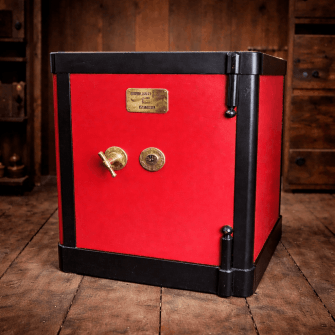
 Antique safes have quietly become one of the more interesting corners of the collectibles market. They’re functional, undeniably handsome, and when chosen well, they hold their value far better than most furniture. The catch is that evaluating one takes more than a good eye for craftsmanship. It calls for a working understanding of locks, mechanics, manufacturer history, and the practical realities of owning a 200kg piece of Victorian engineering.
After decades of handling antique safes here in Perth, we’ve seen brilliant finds and expensive mistakes in roughly equal measure. This guide walks you through what actually matters before you commit.
Why Antique Safes Appeal to Different Buyers
Collectors, Businesses, and Everyday Buyers
The market for antique safes is surprisingly varied. Collectors are drawn to provenance, rarity, and the engineering pedigree of names like Hobbs, Chubb, and Milner. Businesses, particularly boutique hotels, jewellers, and law firms, buy them as statement pieces that double as functional storage. Then there’s the everyday buyer: someone who’s inherited a safe from a grandparent’s estate, or stumbled across one at a clearance auction and wants to know whether they’ve discovered a bargain or a burden.
Each group asks slightly different questions, but they share the same blind spot. Most buyers don’t know how to assess a safe’s mechanical condition, and that’s where the real value lives.
What Makes an Antique Safe “Worth Buying”?
A worthwhile antique safe ticks four boxes. It comes from a reputable maker. It functions mechanically, or can be made to function without a major rebuild. Its structural integrity is intact. And the asking price reflects realistic restoration costs. Aesthetic charm matters, but it sits fourth on that list, not first.
Start With the Brand and Background
Trusted Names Like Chubb, Wormald, and Lord
The maker’s plate is the first thing we look at. Chubb safes, particularly those produced in London and later under Chubb & Sons, carry serious heritage. Their detector locks set the global standard from the mid-1800s onward. Wormald Brothers, an Australian manufacturer, produced robust commercial safes that you’ll still find in shopfronts and offices across the country. Lord Safes, another Australian name, built a reputation for solid mid-century craftsmanship that remains highly serviceable today.
Other names worth recognising include Hobbs & Co (their 1898 Protector lock models are exceptional), Milner, Taylor Moore & Co, Guardall, and A Simpson & Son of Adelaide. If you’d like to see authenticated examples in person, our collection of antique safes for sale includes pieces from several of these makers.
What Unknown Brands May Indicate
An unrecognisable maker isn’t an automatic deal-breaker, but it does call for more caution. Some regional or short-lived manufacturers produced perfectly serviceable safes. Others cut corners on plate thickness, lock quality, or fireproofing. If you can’t find any history on the brand, treat the safe as a decorative item rather than a security device, and price it accordingly. We’ve also seen plenty of older safes sold under brand names that were rebadged distributor labels, which is worth knowing before you pay a premium.
Check the Lock and Opening Mechanism
Does the Safe Open and Function Properly?
This is where most antique safe purchases go sideways. A safe that won’t open, or opens with great difficulty, isn’t just inconvenient. It’s a sign of underlying mechanical wear. Test the key or combination yourself before purchasing. Turn the handle smoothly. Listen for grinding, sticking, or the unsettling silence of a bolt that’s no longer engaging properly. If a key feels rough in the cylinder, the lever pack inside may already be worn beyond easy repair.
Signs of Damage, Forced Entry, or Tampering
Look closely around the door edges, the keyhole escutcheon, and the bolt area. Drill marks (sometimes plugged and painted over), pry damage along the door seam, and welded patches are all red flags. They don’t necessarily ruin the safe, but they affect both value and security. A safe that’s been forced open in the past has usually had its lock replaced or modified, sometimes well, sometimes badly. If you’re unsure, this is exactly the kind of issue our safe repair specialists can identify in a single inspection.
When a Missing Combination Can Still Be Resolved
Don’t walk away from an otherwise excellent safe just because the combination is lost or the key is missing. Most reputable antique safes can be opened non-destructively by an experienced locksmith. From there, we can either cut a replacement safe key or perform a combination change and full service to give you a working, secure piece. The cost of doing this should be factored into your offer.
Inspect the Safe’s Overall Condition
Door Alignment, Bolts, and Structural Integrity
Open the door fully and look at how it sits in the frame. A door that drops, sags, or scrapes the frame indicates worn hinges or a warped body. Both are fixable, but not cheaply. Operate the boltwork manually with the door open. Bolts should extend and retract cleanly. Any binding, gritty resistance, or missing bolts will need attention. Check the back, sides, and base for cracks, rust-through, or signs of moisture damage. Surface rust is cosmetic. Pitted, flaking steel is structural.
Interior Condition and Original Features
A well-preserved interior adds significant value. Original timber-lined compartments, intact drawers, brass fittings, and hand-painted lining are increasingly rare. Check for moisture stains, mildew, and signs of rodent damage. Original keys, paperwork, or manufacturer cards stored inside add provenance and resale value. If the interior is rough but the exterior and mechanism are sound, a proper safe restoration service can bring it back to something close to its original glory.
Consider the Practical Side of Ownership
Weight, Transport, and Installation Challenges
Antique safes are extraordinarily heavy. A modest Victorian office safe can weigh 200 to 400kg, and larger banker’s models routinely exceed a tonne. Floor loadings, doorway widths, staircases, and access routes all need to be considered before you buy. Trying to move one yourself is how people end up with cracked tiles, hernias, or worse. Specialist safe installation and relocation services exist precisely because this work is dangerous without the right gear.
Servicing, Repairs, and Restoration Options
Factor ongoing service costs into your decision. Worn lever locks may need replacement or a modern lock upgrade if you want a balance of authenticity and contemporary security. Periodic lubrication, bolt adjustment, and combination changes keep a working antique safe reliable for decades. Plenty of refurbished options exist if buying privately feels risky. Our second-hand and refurbished safe range includes pieces that have already been mechanically restored.
Getting Expert Eyes on It: Why a Professional Assessment Matters
How MSC SafeCo Can Help You Decide
Even experienced buyers benefit from a second opinion before committing to an antique safe, particularly one priced above a few thousand dollars. A professional inspection identifies hidden issues, confirms manufacturer authenticity, and provides a realistic estimate of restoration costs. At MSC SafeCo, we’ve worked on antique safes from nearly every major maker that’s passed through Australia, and we’re happy to assess a piece you’re considering, whether you’ve found it locally or are weighing up an interstate purchase.
If you’d like a candid opinion on a safe you’re eyeing, or want to browse authenticated antique pieces with full provenance, drop into our Osborne Park showroom or give us a call on (08) 9344 1962. It’s far cheaper to know what you’re buying before the money changes hands than to find out afterwards.